There is an India most people visit but never actually reach.
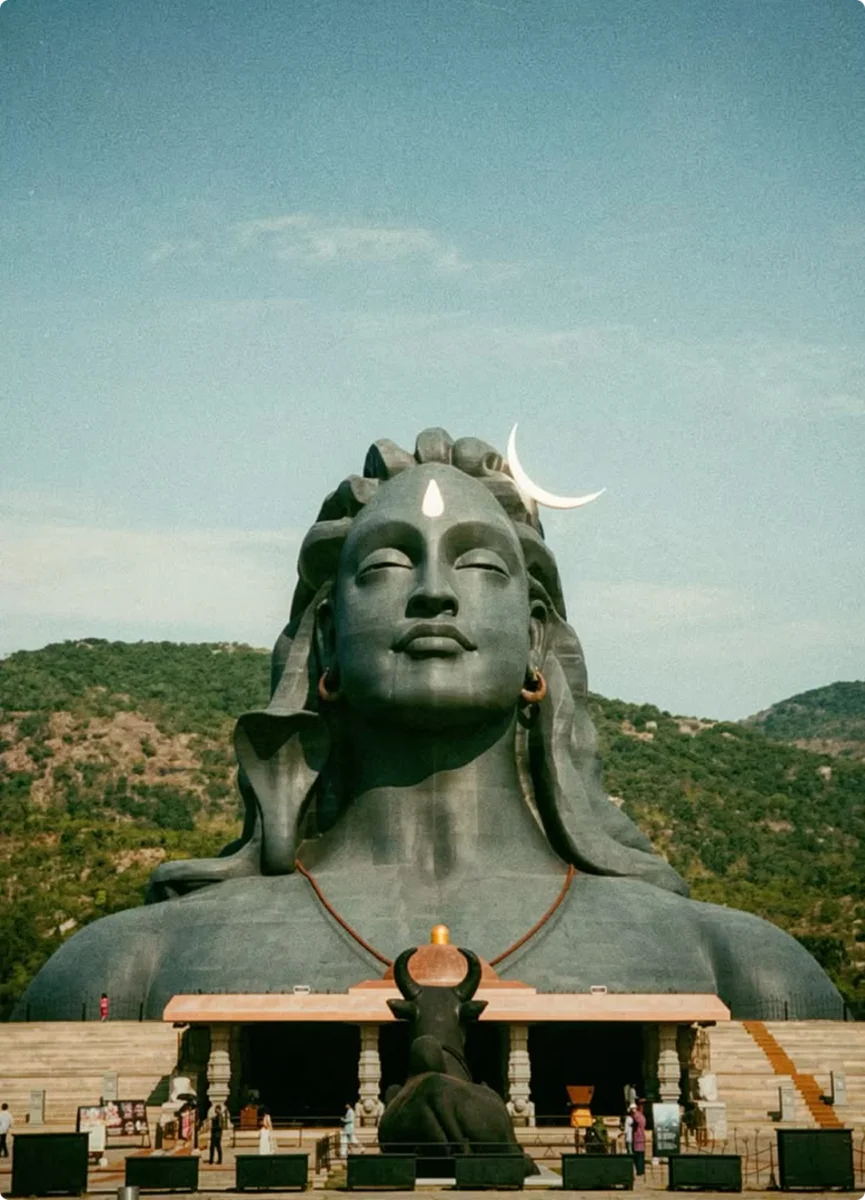
The beginning
For centuries, people have travelled to India in search of something deeper.
A Harvard psychologist arrived to better understand consciousness and left as Ram Dass. Carl Jung came looking for insights into the human psyche that Western psychology alone could not explain. Annie Besant found a philosophy that shaped the rest of her life. Steve Jobs travelled through India searching for clarity, later describing the experience as one that profoundly influenced the way he thought. Others came searching for healing when conventional answers felt incomplete, drawn by traditions that had quietly endured for millennia.
They arrived with different questions, yet their journeys reveal a familiar pattern. India has long invited people to look beyond what they already know, through philosophies refined over thousands of years and a way of life that asks as much of the mind as it does of the body.
Speak to people after they've returned from India and the stories are often remarkably alike. They rarely describe what they saw first. They describe how they felt. More present. Less hurried. Somehow changed, in ways that are difficult to explain.
“The country reveals very little to those passing through it, and almost everything to those willing to slow down.”
Our philosophy
How We Think About Travel
Travel changes when you stop measuring it by the places you've seen and begin measuring it by the life you've briefly become part of.
A morning might begin walking to a village temple before sunrise, dressed in a dhoti alongside the people who have followed the same ritual for generations. By afternoon, you're preparing a meal from herbs and vegetables picked only moments earlier, learning why each ingredient has been part of the local kitchen long before it found its way into modern wellness.
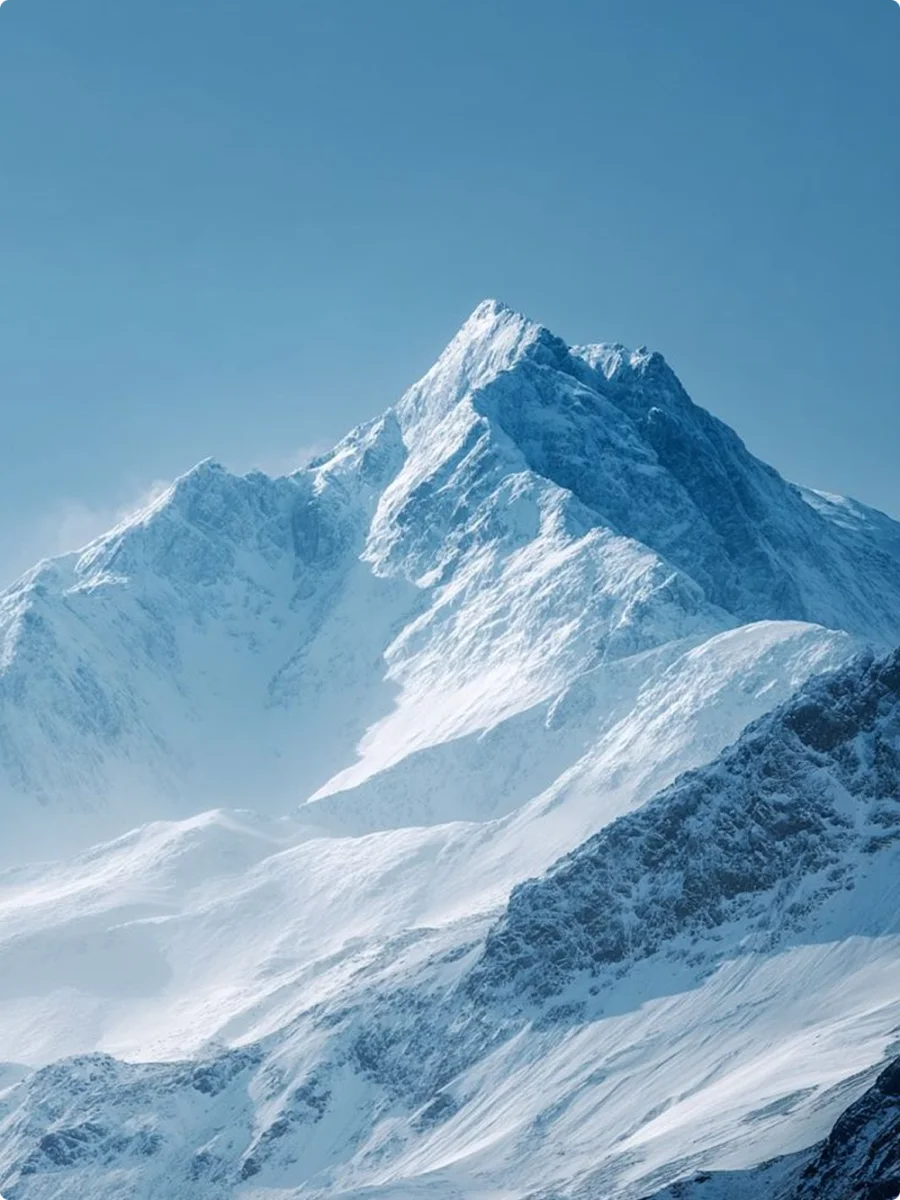
Somewhere else, yoga ends, but nobody gets up. Tea is poured, the Himalayas fill the horizon, and the conversation drifts towards life, philosophy and the questions that brought everyone there.
A potter in a Himalayan village speaks more about patience than pottery. Further south in Kerala, the veranda of a heritage home fills with laughter as a local family introduces you to Kathakali, one of India's oldest classical dance traditions. In Rajasthan, a simple meal prepared over a chulha by an elderly village woman, beneath an endless desert sky, somehow becomes the moment that stays with you, revealing how little we really need to feel completely present.
Somewhere along the way, the distinction between traveller and local begins to soften. You stop observing life in India and, for a little while, become part of its rhythm.
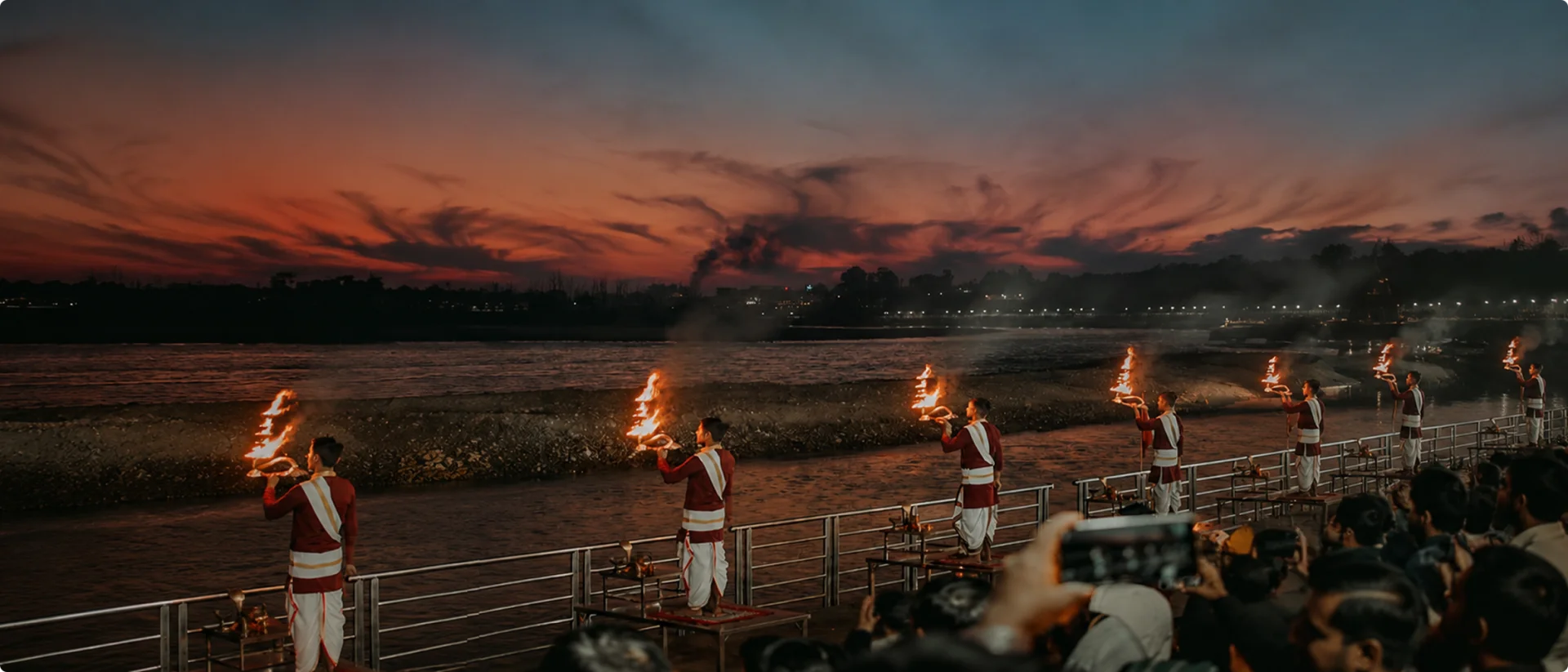
The People Between Places
Every Ashrams journey is composed of moments of solitude and moments of connection.
There are days to wander at your own pace, to sit a little longer, to follow your own curiosity. Then there are moments that become richer in the company of fellow travellers and the local people who welcome you in.
You might spend an evening around the table of a heritage home, sharing stories with travellers from different corners of the world while your hosts welcome everyone as if into their own family. The following days belong entirely to you. Days later, your path crosses with new local hosts and fellow travellers through a pottery workshop in the Himalayas, an Ayurvedic retreat in Kerala, or morning yoga at an ashram, each becoming a small chapter of the journey before everyone quietly continues on their own way.
The spaces between these encounters are just as important as the encounters themselves. They leave room to wander, reflect, and settle into the rhythm of a place before the journey gently introduces someone new into your story.
The Architecture of a Journey
Journeys, like good stories, are remembered for the way their parts come together. Rarely for one defining moment, but for the quiet accumulation of many thoughtful ones. The rhythm of the days. The homes that welcome you. The practices that offer space to return to yourself. The people who briefly become part of your life. Every element is considered on its own, then carefully composed into a journey where nothing feels incidental, and everything belongs.
These four elements quietly shape everything that follows.
THE STAY
The Places With Character
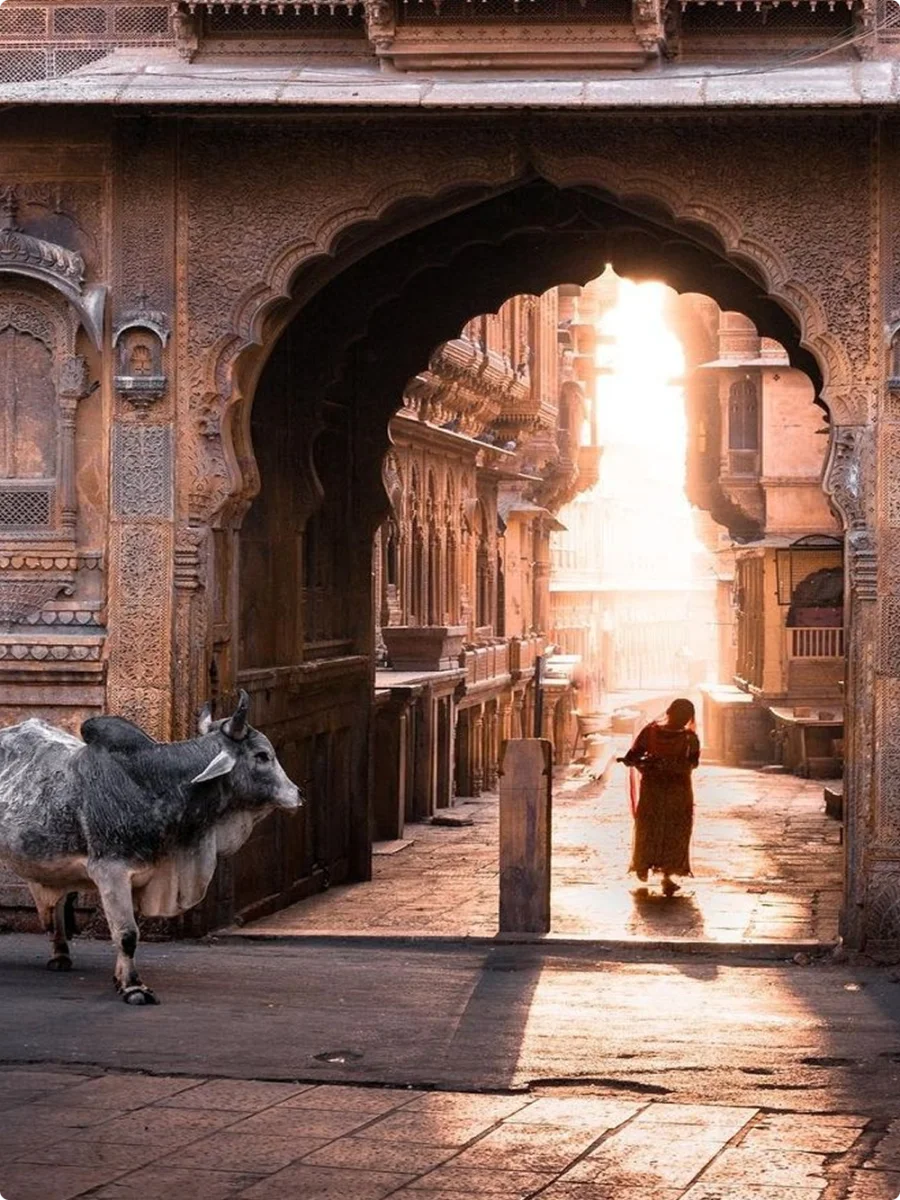
Some homes tell the story of a place long before anyone speaks. They are rarely the easiest places to find. Some are heritage havelis still lived in by the families who built them generations ago. Others are mountain homes, estates and restored residences that have quietly preserved a way of life. Before a place becomes part of a journey, we spend time there ourselves, sharing meals, understanding the family and rhythm of the place, allowing the character of the home to reveal itself slowly.
THE EXPERIENCES
The Art of Presence
Attention is becoming one of the rarest forms of travel. The experiences we remember most are seldom the grandest. More often, they are the ones that quietly alter the pace at which we move through the world. From pottery in Himalayan villages to traditional block printing in Rajasthan and Muga silk woven in Assam, these are just a few of the moments where observation gives way to participation, and travel begins to feel less like seeing, and more like belonging.
THE PEOPLE
The Shared Perspectives
There is something quietly remarkable about the people we meet while travelling. A family who welcomes you into their home. A teacher who shares a lifetime of practice. An artisan whose hands reveal more than words ever could. Fellow travellers who become companions for a brief chapter before continuing on their own way. The journey leaves room for these encounters to unfold naturally. Their significance is rarely measured by time, but by what they leave behind.
THE PRACTICES
The Science of Stillness
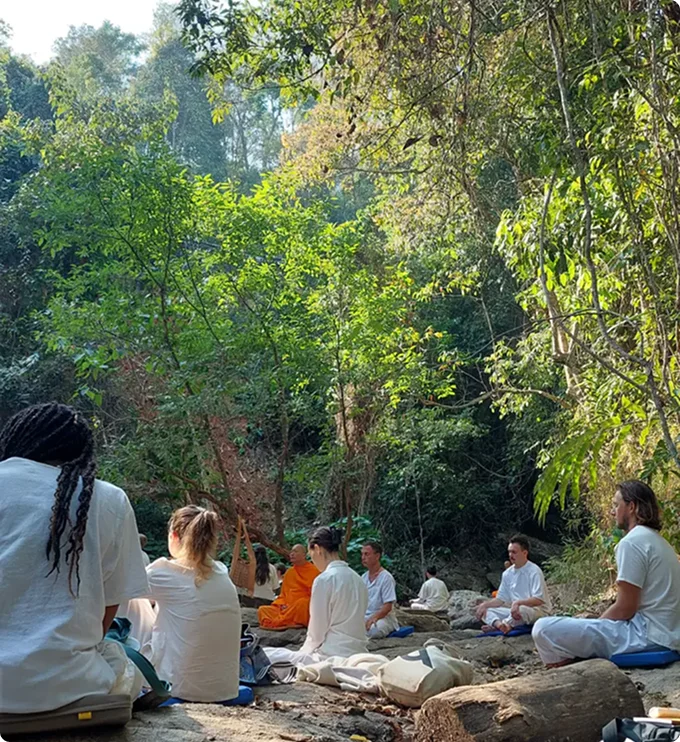
India, the birthplace of yoga and the land of Ayurveda, remains home to some of the world's oldest living traditions of contemplation and healing. In many of its ashrams, monasteries and temples, these rhythms continue much as they have for centuries. The journey is to live alongside these traditions long enough for their wisdom to reveal itself through experience. These places are rarely introduced. More often, they are discovered and thoughtfully woven into your journey.
Our Impact
Every meaningful relationship asks for reciprocity. Travel is no different.
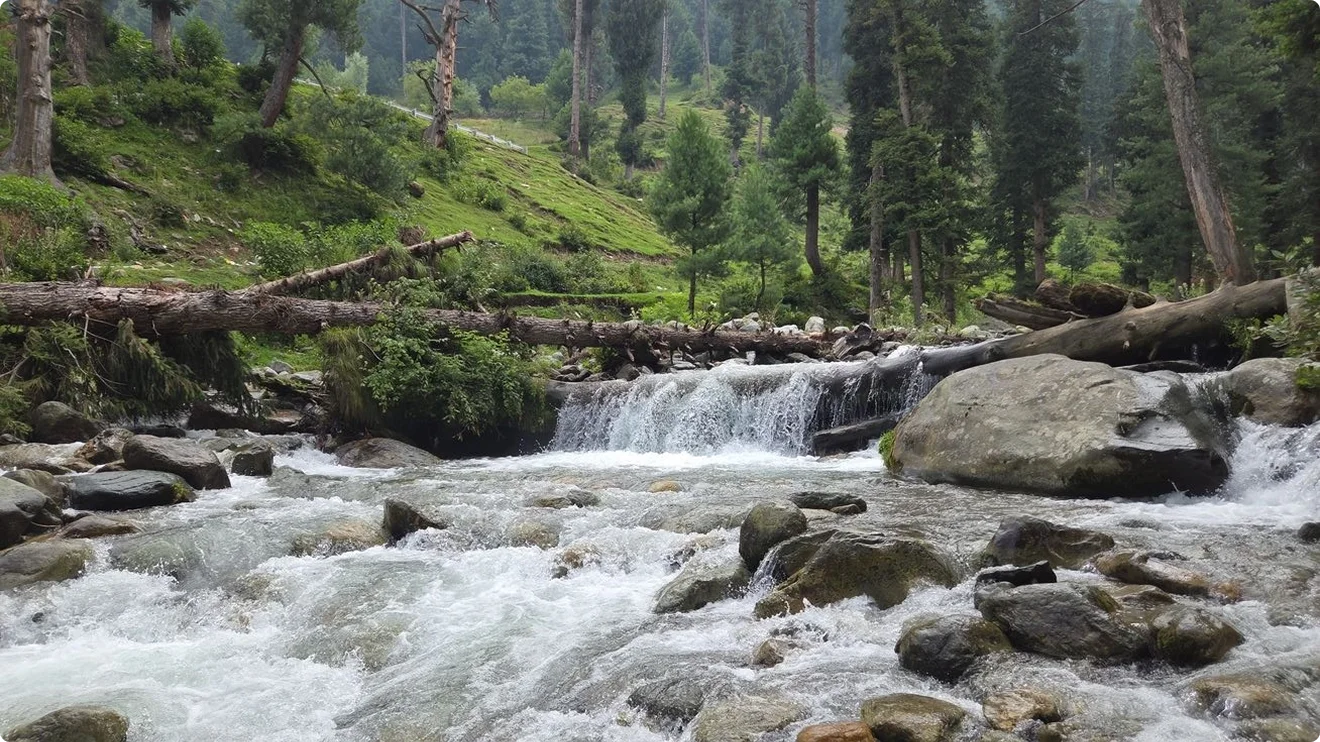
The forests, mountains and villages that shape these journeys have cared for their landscapes long before we arrived. We believe they should benefit from our presence too. By planting indigenous trees and medicinal species, we help restore local ecosystems while offsetting the carbon created through travel. More than 1,000 trees have already been planted, with every journey quietly contributing to the next.
The rare ones quietly bring us
home to ourselves.